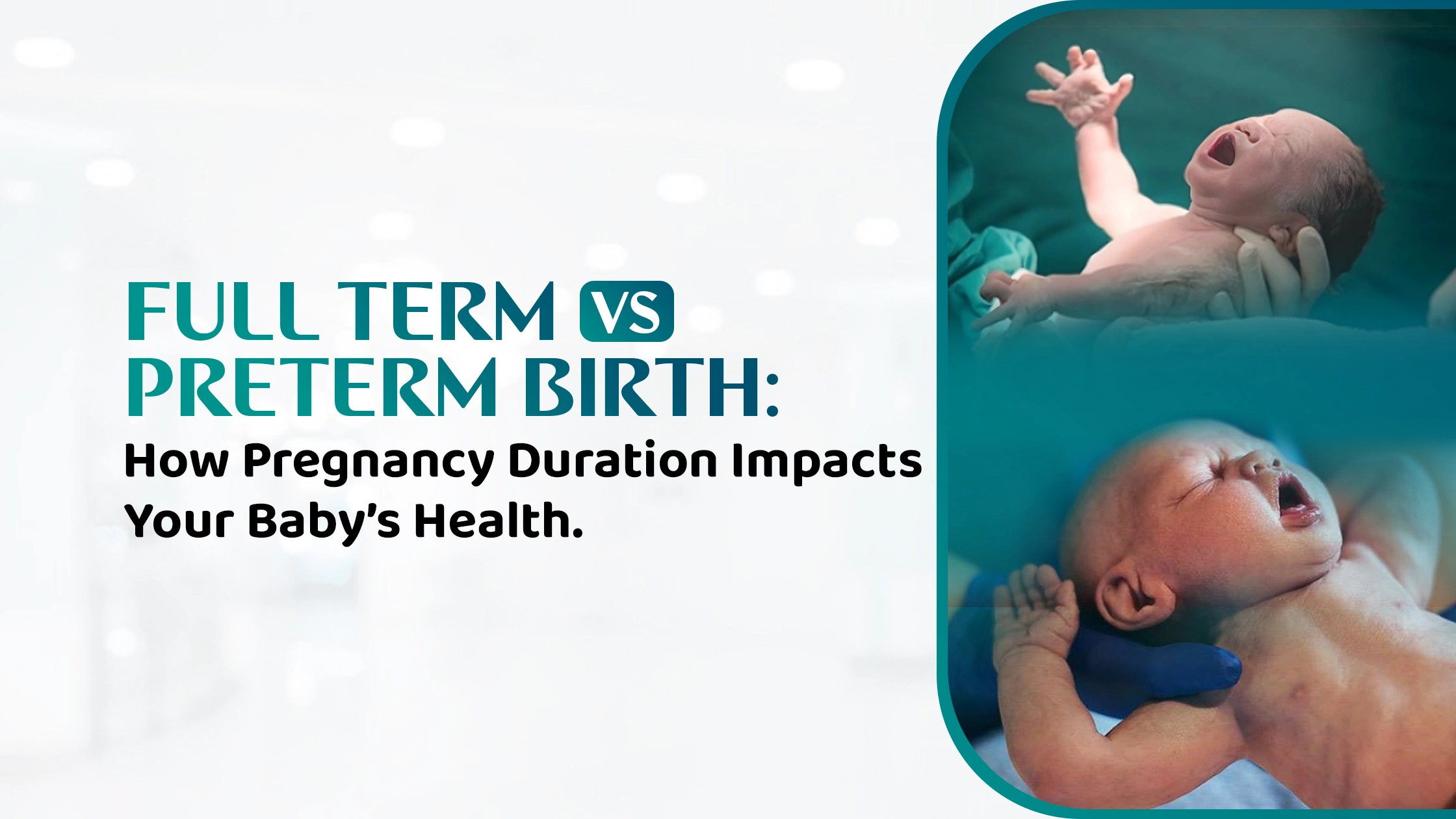
Full Term vs Preterm Birth: How Pregnancy Duration Impacts Your Baby’s Health
Nutrition plays a critical role in the survival and development of newborns — especially those born prematurely or critically ill. While full-term babies usually begin feeding soon after birth, some newborns are unable to receive adequate nutrition through regular feeding methods.
In such situations, Total Parenteral Nutrition (TPN) becomes a vital component of neonatal intensive care.
What Is Total Parenteral Nutrition (TPN)?
Total Parenteral Nutrition (TPN) is a method of delivering essential nutrients directly into a baby’s bloodstream through an intravenous (IV) line.
Unlike normal feeding, where milk passes through the stomach and intestines, TPN bypasses the digestive system entirely.
TPN typically contains carefully balanced amounts of:
- Glucose (energy source)
- Proteins (amino acids for growth)
- Fats (essential fatty acids for brain development)
- Electrolytes
- Vitamins
- Minerals
- Fluids
Each formulation is customised based on the baby’s weight, maturity, and medical condition.
When Is TPN Required in the NICU?
TPN is used when a newborn:
- Is born extremely premature
- Has an immature or underdeveloped digestive system
- Cannot tolerate milk feeds
- Is critically ill
- Has undergone surgery
- Has intestinal disorders
Example:
A baby born at 26 weeks may not have a fully developed gut capable of digesting milk safely. In such cases, TPN ensures that growth and organ development continue while the digestive system matures.
Why Is Early Nutrition So Important in Preterm Babies?
The final trimester of pregnancy is crucial for:
- Brain growth
- Fat accumulation
- Organ maturation
- Immune development
When a baby is born early, these processes must continue outside the womb.
Without adequate nutrition, preterm babies may face:
- Poor weight gain
- Delayed brain development
- Increased risk of infections
- Slower recovery
TPN helps bridge this nutritional gap during the most critical period.
How Is TPN Administered?
TPN is usually given through:
- A central venous line
- A peripherally inserted central catheter (PICC line)
The infusion is carefully monitored using controlled pumps to ensure:
- Accurate delivery
- Correct fluid balance
- Stable blood sugar levels
Frequent laboratory tests help adjust nutrient composition according to the baby’s needs.
Is TPN a Long-Term Solution?
TPN is typically a temporary support system.
As the baby stabilises:
- Small amounts of milk feeding (minimal enteral feeds) may begin.
- The digestive system is gradually stimulated.
- Milk feeds are increased progressively.
- TPN is slowly reduced and eventually stopped.
The goal is always to transition to natural feeding as soon as it is medically safe.
Are There Risks Associated with TPN?
Like any medical therapy, TPN requires careful monitoring.
Potential concerns include:
- Infection risk related to IV lines
- Electrolyte imbalances
- Blood sugar fluctuations
- Liver stress if used for prolonged periods
This is why TPN should be administered in a structured NICU setting with strict aseptic protocols and experienced neonatal supervision.
How TPN Supports “Intact Survival”
Advanced neonatal care focuses not just on survival, but on protecting neurological development.
Adequate early nutrition supports:
- Brain growth
- Organ development
- Muscle and tissue repair
- Long-term developmental outcomes
In extremely premature babies, even small nutritional deficits can impact long-term growth.
Conclusion
Total Parenteral Nutrition is a critical life-supporting intervention for fragile newborns who cannot feed normally.
While it may sound complex, TPN is essentially a carefully designed nutritional bridge — ensuring that premature and critically ill babies continue to grow, develop, and stabilise during the most vulnerable phase of life.
In neonatal intensive care, nutrition is not just feeding — it is a structured medical therapy.