
What is Neborn Hearing Screening?
A Simple, Safe & Painless Test
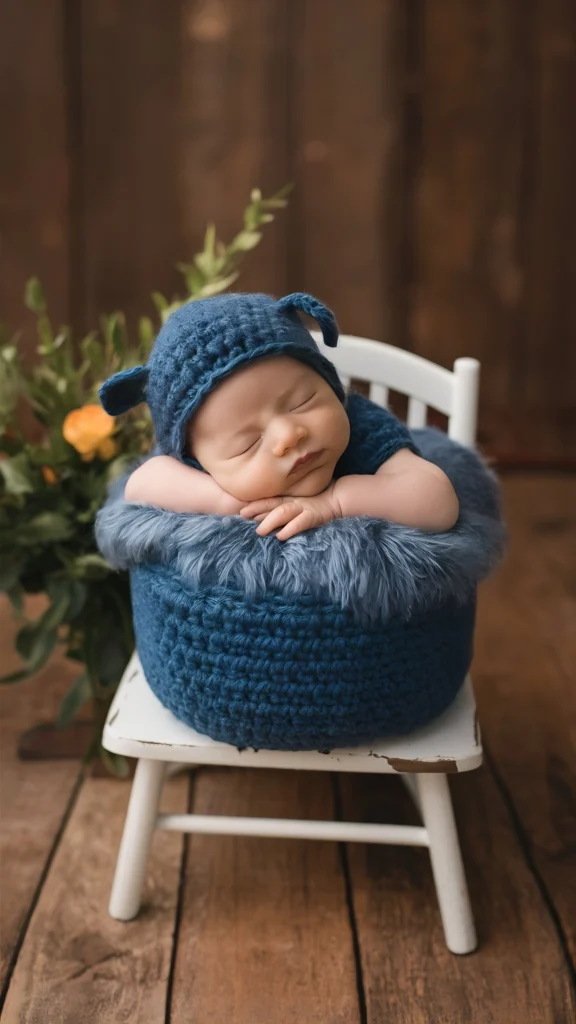
Newborn hearing screening is a quick, non-invasive test done while the baby is calm or asleep.
It helps assess how well the baby’s ears and hearing pathways respond to sound—
without causing discomfort or pain.
Screening does not diagnose hearing loss.
It identifies babies who may need further evaluation or follow-up.
Types of Hearing Screening at Vrundavan
OAE & ABR Testing
At Vrundavan, we use standard, reliable screening methods

OAE (Otoacoustic Emissions)
Assesses how the inner ear responds to sound
ABR (Auditory Brainstem Response)
Evaluates how sound signals travel from the ear to the brain
The choice of test depends on the baby’s age, medical condition, and risk factors.
Which Babies Should Undergo Hearing Screening?
Every Baby Deserves Early Screening
Hearing screening is recommended for:
- All newborns, irrespective of birth weight or gestational age
- Babies admitted to the NICU
- Preterm or low birth weight babies
- Babies with a family history of hearing issues
- Babies who required intensive care, ventilation, or certain medications
Universal screening ensures no child is missed.
What if the Screening is Not Normal?
Guidance, Not Alarm
If a screening result indicates the need for follow-up:
- Parents are informed calmly and clearly
- Repeat testing or detailed evaluation is advised when required
- Early intervention options are discussed, if necessary
Many babies who need repeat testing are later found to have normal hearing.
The purpose is clarity not fear.
Importance of Early Intervention
The First Months Matter Most
When hearing concerns are identified early:

Speech and language development can be supported effectively

Developmental delays can be prevented or reduced
Children can achieve age-appropriate communication skills
Early detection leads to better long-term outcomes.
A Message to Parents
Hearing connects your baby to voices, learning, and the world around them.
At Vrundavan, hearing screening ensures that if support is needed,
it begins early—when it can make the greatest difference.
Because every child deserves the chance to listen, learn, and thrive.