
How Much Should a Newborn Sleep? A Guide to Infant Sleep Cycles
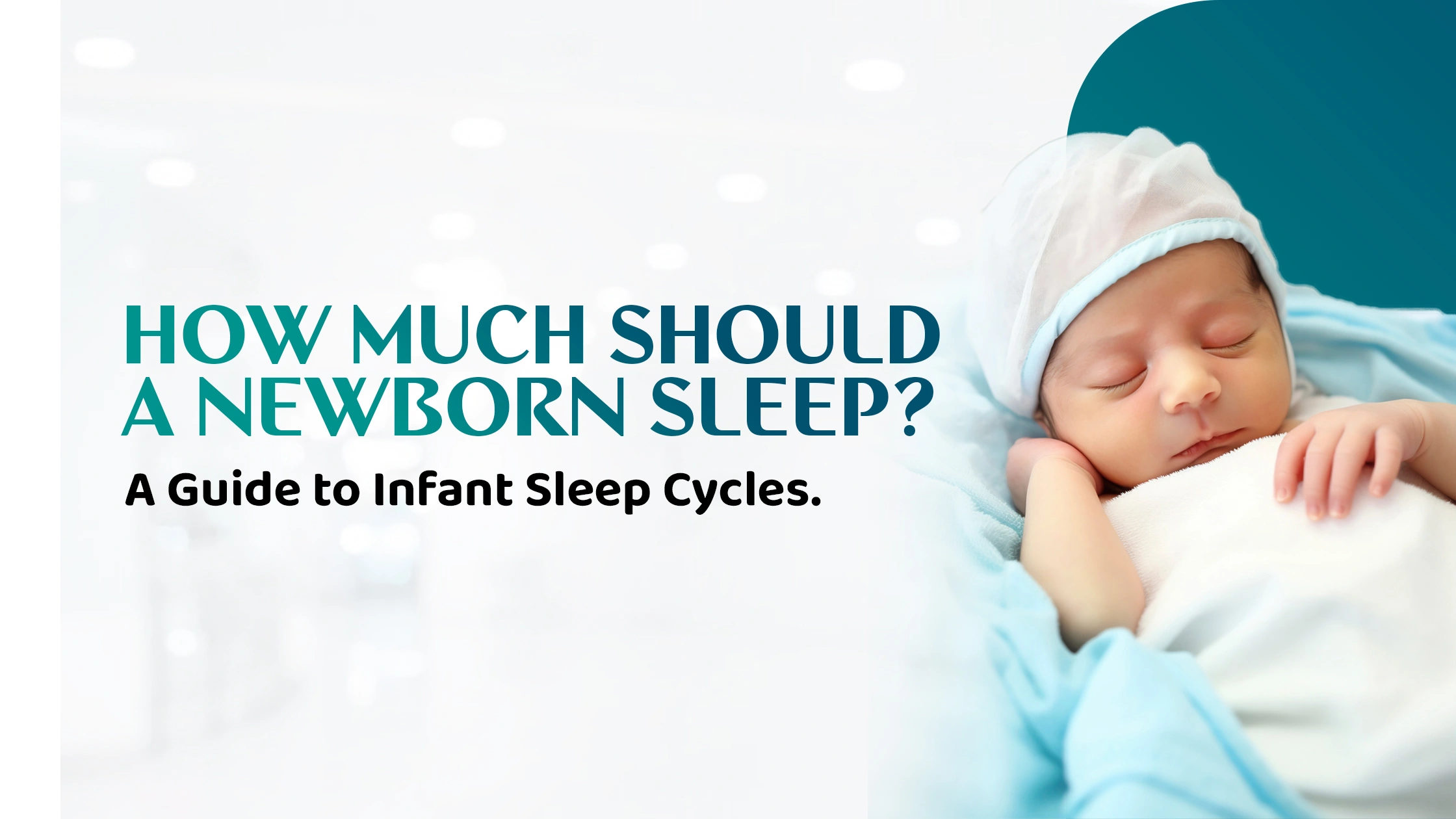
Sleep is one of the most important aspects of a newborn’s growth and development. During sleep, a baby’s brain develops rapidly, the body conserves energy, and essential biological processes support overall health.
However, many new parents are surprised to find that newborn sleep patterns are very different from adult sleep cycles. Understanding how newborns sleep and why they wake frequently can help parents approach the early months with greater patience and confidence.
How Much Do Newborns Sleep?
Newborn babies typically sleep 14–17 hours within a 24-hour period. However, this sleep is spread across multiple short periods rather than long continuous stretches.
Most newborn sleep cycles last 2–4 hours at a time, after which the baby wakes for feeding, diaper changes, or comfort.
Example:
A newborn may sleep for three hours, wake for feeding, stay awake briefly, and then return to sleep again. This pattern may repeat throughout the day and night.
Why Do Newborns Wake Frequently?
Frequent waking is normal in newborns and usually occurs for several reasons:
1. Small Stomach Capacity
Newborns require frequent feeding because their stomachs are small and milk is digested quickly.
Many babies feed every 2–3 hours, which naturally interrupts sleep.
2. Immature Sleep Cycles
Adult sleep cycles last about 90 minutes, but newborn sleep cycles are shorter and less structured.
Newborns transition quickly between light and deep sleep, making them more likely to wake.
3. Need for Comfort and Security
During the early weeks of life, babies often wake when they need comfort, warmth, or reassurance.
Being held, rocked, or gently soothed can help them return to sleep.
Day and Night Confusion
Many newborns initially do not distinguish between day and night.
As a result, they may sleep longer during the day and remain more alert during nighttime hours.
Parents can gradually help regulate this pattern by:
- Keeping daytime environments bright and active
- Maintaining quieter and darker surroundings at night
- Establishing gentle bedtime routines
Over time, babies gradually develop a more predictable sleep pattern.
Signs That a Baby Is Tired
Recognizing early signs of tiredness can help prevent excessive fussiness.
Common cues include:
- Rubbing eyes
- Yawning
- Turning away from stimulation
- Becoming quieter or less active
Putting a baby to sleep when these signs appear can help avoid overtiredness.
Safe Sleep Practices for Newborns
Creating a safe sleep environment is essential during infancy.
Parents are generally advised to follow safe sleep recommendations such as:
- Placing the baby on their back to sleep
- Using a firm, flat sleep surface
- Keeping the crib free from pillows, toys, and loose blankets
- Maintaining a comfortable room temperature
These practices help reduce the risk of sleep-related complications.
When Do Sleep Patterns Become More Predictable?
As babies grow, their sleep cycles gradually lengthen.
Around three to four months of age, many infants begin to develop:
- Longer nighttime sleep stretches
- More regular sleep routines
- Reduced night awakenings
However, every baby develops at their own pace, and variations in sleep patterns are common.
When Should Parents Seek Medical Advice?
While irregular sleep is usually normal, parents may consider consulting a pediatrician if:
- The baby appears unusually difficult to wake
- Sleep is accompanied by feeding difficulties
- There are concerns about growth or development
- The baby shows signs of illness or unusual behaviour
Medical guidance can help address any underlying concerns.
Conclusion
Newborn sleep patterns may appear unpredictable, but they follow natural biological rhythms designed to support growth and development.
Frequent waking, short sleep cycles, and irregular schedules are all typical during the early weeks of life. With time, babies gradually develop longer and more structured sleep patterns.
Understanding these early sleep behaviours can help parents approach newborn care with patience, reassurance, and realistic expectations.