
Newborn Vaccination Schedules: What Every Parent Should Know
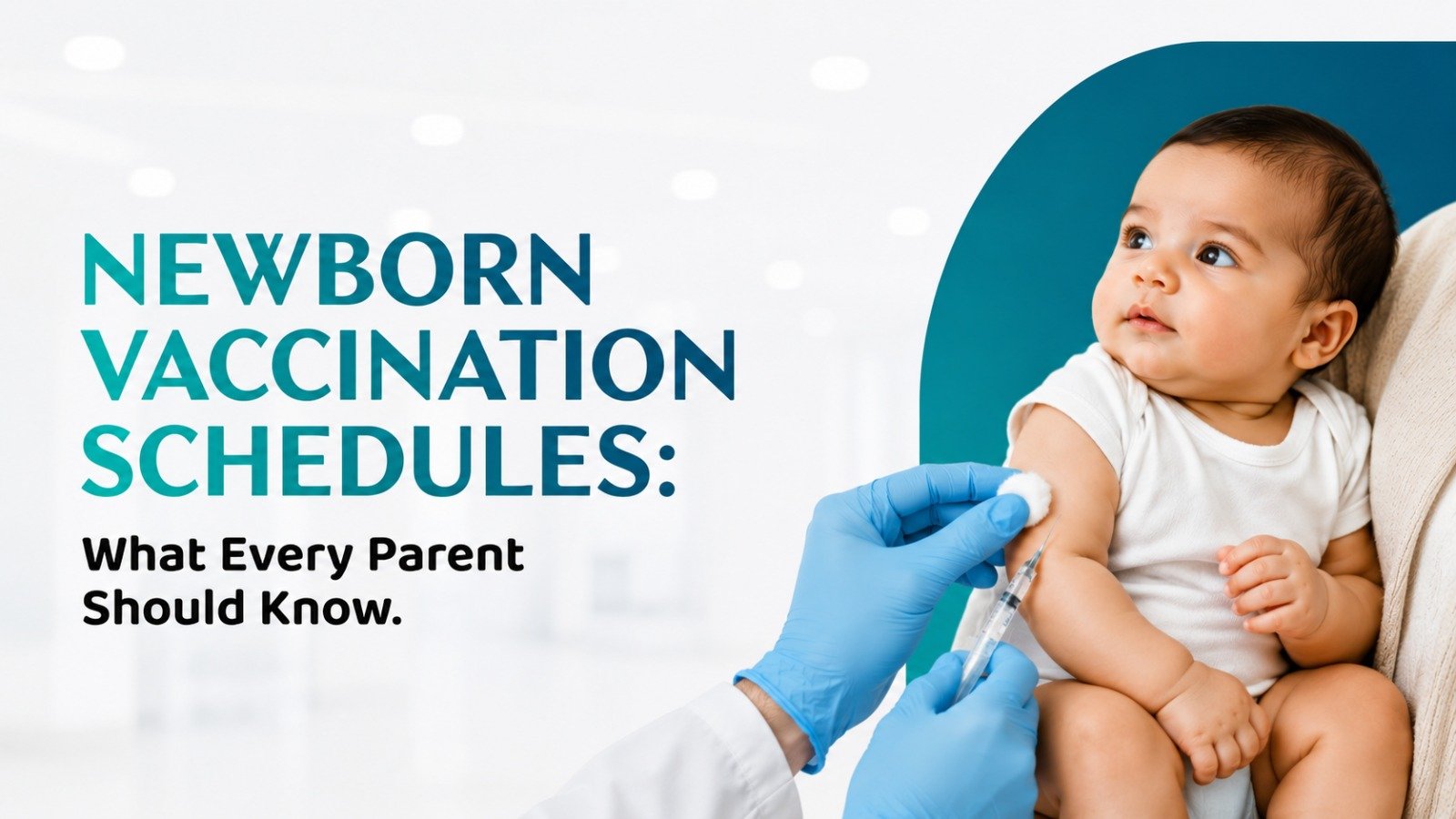
One of the first things you’ll receive after your baby is born is a newborn vaccination schedule. At first glance, it may look like a simple card filled with vaccine names and dates, but it’s actually a carefully planned guide designed to protect your baby from serious illnesses during the earliest stage of life.
For many parents, that little vaccination card comes with a lot of questions. So many names. So many dates. So early. Somewhere between recovering from childbirth, adjusting to sleepless nights, and learning your baby’s feeding routine, it’s natural to wonder, “Does my baby really need vaccines this soon?”
The answer is yes—and for good reason. Newborn vaccinations are recommended to protect babies when their immune systems are still developing and they are most vulnerable to infections. Understanding why these vaccines are given, when they’re due, and what to expect can make those first few weeks of parenthood feel a little less overwhelming and a lot more reassuring.
What Is a Newborn Vaccination Schedule?
A newborn vaccination schedule is a recommended timeline that guides when babies receive vaccines after birth and throughout infancy.
The schedule is designed to protect newborns at the right age—when their immune system can respond effectively and before they are at higher risk of certain infections.
Vaccines help the body learn to recognise and fight diseases safely.
Think of it as building your baby’s health shield, one layer at a time.
Why Are Vaccines Given So Early?
This is one of the most common questions parents ask.
Newborns enter a world filled with viruses and bacteria, but their immune systems are still developing.
Some infections can become serious in infants much faster than in older children or adults.
Early vaccination helps:
- Build protection before exposure
- Reduce risk of severe infections
- Support healthy development
- Lower chances of complications
- Strengthen community immunity
Vaccines are scheduled based on years of medical research and newborn health guidelines.
Vaccines Commonly Given at Birth
The exact schedule may vary depending on your paediatrician, hospital protocols, and national recommendations.
Common newborn vaccines may include:
BCG Vaccine
Given to help protect against severe forms of tuberculosis.
Hepatitis B Vaccine
Helps protect babies from hepatitis B infection and supports long-term liver health.
OPV (Oral Polio Vaccine)
Administered as part of protection against polio.
Parents should always discuss their baby’s individual vaccination plan with their healthcare provider.
What Happens During a Newborn Vaccination Visit?
The first vaccination experience is usually much calmer than parents expect.
During the visit, the healthcare team may:
- Review birth details
- Check baby’s weight and general health
- Administer recommended vaccines
- Explain possible mild reactions
- Provide the vaccination record
Most appointments are quick.
The harder part is often parents watching the tiny cry afterward.
Are Vaccines Safe for Newborns?
Parents naturally want reassurance before anything involves their baby.
Vaccines used in newborn care undergo extensive evaluation and follow established medical standards.
Most babies experience only mild temporary effects such as:
- Fussiness
- Mild swelling at the injection site
- Sleepiness
- Temporary low-grade fever
These reactions generally settle quickly.
If parents notice anything unusual after vaccination, they should contact their healthcare provider.
How Can Parents Make Vaccination Day Easier?
Small things can make a big difference.
You can:
- Feed your baby before or after vaccination
- Hold your baby skin-to-skin
- Dress them in comfortable clothing
- Stay calm and reassuring
- Carry your vaccination record
Babies often settle faster than parents expect.
What If My Baby Misses a Vaccine?
Missing one scheduled date does not automatically mean starting over.
Speak with your paediatrician to create a catch-up vaccination plan.
The goal is to continue protection as early as possible.
Avoid delaying vaccines without medical guidance.
Do Premature Babies Follow the Same Vaccination Schedule?
Parents of premature babies often ask this.
In many cases, premature babies still follow age-based vaccination recommendations, although certain situations may require individual assessment.
Babies receiving NICU care may have personalised guidance from neonatal specialists.
Always confirm timelines with your healthcare provider.
Questions Parents Can Ask Before Leaving the Hospital
Before discharge, consider asking:
- Which vaccines has my baby received?
- When is the next vaccination due?
- Are there expected side effects?
- Do premature babies follow the same schedule?
- How should vaccination records be maintained?
These questions help parents feel prepared rather than overwhelmed.
Final Thoughts
Parenthood has a way of making every decision feel enormous. But vaccinations are one of those quiet, routine steps that do something extraordinary—they help protect your baby long before danger arrives. You don’t have to memorise every date or know every medical term on day one.
You just have to keep showing up, asking questions, and taking one milestone at a time. Your baby’s vaccination journey isn’t about fear. It’s about giving them a healthier beginning.