
NICU to Home: What Parents Should Know After Discharge
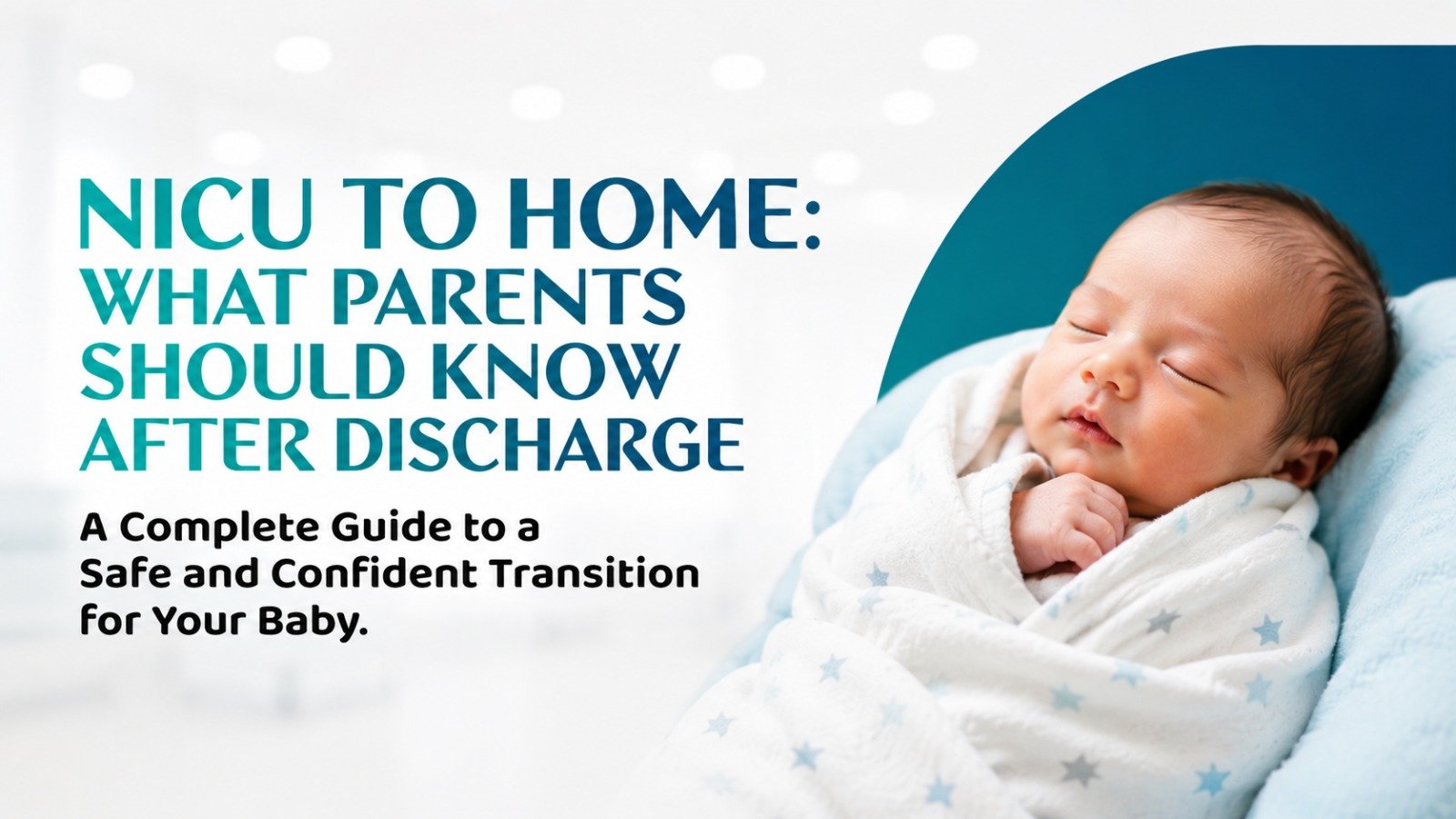
The day your baby finally leaves the NICU can feel almost unreal. After weeks of monitors, doctors, nurses and carefully planned feeds, suddenly you’re home – and there’s no monitor beeping beside you. NICU to home is a beautiful milestone, but it can also bring a surprising question: “What do I do now?” The good news is that you don’t have to know everything on day one.
Leaving the NICU Is a Milestone, Not the End of Care
NICU discharge usually means your baby is medically ready to continue growing at home. It doesn’t mean your baby is exactly like a full-term newborn.
A premature baby after NICU discharge may still need extra support with feeding, weight gain, sleep, temperature regulation or medications.
Your NICU team should ideally give you a clear discharge plan for newborns before you leave.
Keep it handy. At 3 a.m., nobody wants to search through five WhatsApp messages for the medication dose!
Feeding Comes First
For many parents, feeding a preterm baby at home is the biggest concern.
Your baby may breastfeed, take expressed breast milk, formula or a combination depending on medical advice.
Pay attention to:
- How frequently your baby feeds
- Whether feeds are becoming easier
- Wet and soiled diapers
- Signs of tiredness during feeding
- Weight gain
If your baby repeatedly refuses feeds, becomes unusually sleepy during feeding or struggles to breathe while feeding, contact your pediatrician or neonatologist.
Keep Track of Weight Gain
“Is my baby gaining enough weight?” is one of the most common parents of preterm babies questions.
After NICU discharge, regular newborn weight monitoring is important. Your doctor may recommend more frequent follow-ups depending on your baby’s gestational age, birth weight and medical history.
Don’t compare your baby’s weight with another newborn. Premature baby growth follows its own journey.
Medicines and Supplements
Some babies discharged from the NICU may go home with medications or nutritional supplements.
Create a simple routine. Keep the medicines in one place, use the exact prescribed dose and don’t stop or change anything without speaking to your doctor.
If you accidentally miss a dose or give an incorrect amount, call your healthcare provider rather than guessing what to do next.
Follow-Up Appointments Matter
The NICU journey doesn’t end at the hospital door.
Your baby may need NICU follow-up care, pediatric appointments, developmental assessments, hearing evaluation, eye follow-up or other specialist reviews depending on their history.
Keep a calendar of appointments, vaccinations, medications and weight measurements.
These small details can make high-risk newborn follow-up much easier.
Know the Red Flags
At home, parents should seek urgent medical help if the baby has:
- Difficulty breathing
- Blue or grey lips or skin
- Severe feeding difficulty
- Repeated vomiting
- Very few wet diapers
- Fever or unusually low temperature
- Extreme sleepiness or difficulty waking
- Seizures or unusual movements
When it comes to a newborn after NICU, trust your instincts. If your baby looks significantly different from usual, don’t wait for the next appointment.
Final Thoughts
Going from NICU to home can feel like stepping into a completely new chapter.
Take it one feed, one diaper, one nap and one day at a time.
You don’t need to become an expert overnight. Stay connected with your neonatologist, follow the discharge plan, attend follow-ups and ask questions whenever you’re unsure.
Your baby’s NICU team helped you reach home.
Now, together, you help your little one grow there.