
Total Parenteral Nutrition in NICU: When, Why & How It Supports Fragile Babies
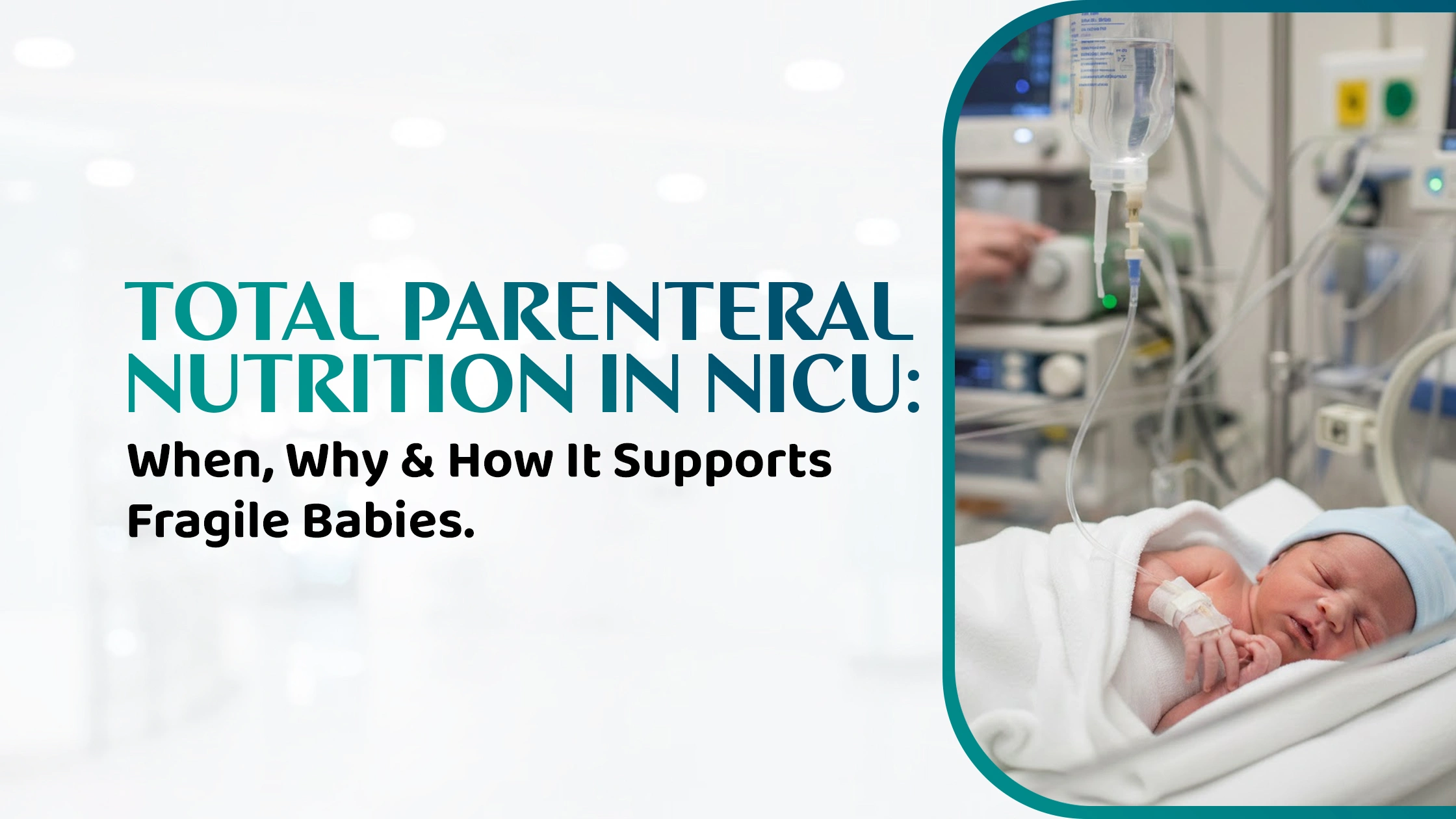
Pregnancy is often described as lasting “nine months.” However, medically, pregnancy duration is measured in weeks — and even a few weeks can make a significant difference in a baby’s health.
Understanding the difference between full-term and preterm birth helps parents appreciate why gestational age plays such an important role in newborn outcomes.
What Is a Full-Term Pregnancy?
A full-term pregnancy typically lasts 37 to 40 weeks.
Pregnancy is further classified as:
- Early Term: 37–38 weeks
- Full Term: 39–40 weeks
- Late Term: 41 weeks
- Post Term: 42 weeks and beyond
Babies born between 39 and 40 weeks generally have the most mature organ systems and lowest risk of complications.
What Is Preterm Birth?
A baby is considered preterm (premature) if born before 37 completed weeks of pregnancy.
Preterm birth is further divided into:
- Late Preterm: 34–36 weeks
- Moderate Preterm: 32–34 weeks
- Very Preterm: 28–32 weeks
- Extremely Preterm: Before 28 weeks
The earlier a baby is born, the higher the risk of medical complications.
Why Does Pregnancy Duration Matter?
The final weeks of pregnancy are critical for:
- Lung maturation
- Brain development
- Fat storage for temperature regulation
- Immune system strengthening
- Feeding coordination (suck–swallow reflex)
Even babies born just 2–3 weeks early may face temporary challenges such as:
- Breathing difficulties
- Feeding issues
- Jaundice
- Low blood sugar
Common Causes of Preterm Delivery
In many cases, preterm birth occurs without a clear reason. However, some common risk factors include:
Maternal Factors
- High blood pressure
- Diabetes
- Infections during pregnancy
- Thyroid disorders
- Short cervical length
Pregnancy-Related Factors
- Twin or multiple pregnancies
- Placental problems
- Premature rupture of membranes
- Previous history of preterm birth
Lifestyle & Other Factors
- Smoking or substance use
- Severe stress
- Poor maternal nutrition
It is important to note that not all preterm births are preventable, even with good prenatal care.
What Challenges Do Preterm Babies Face?
Because organ systems may be immature, preterm babies may require support for:
- Breathing (due to underdeveloped lungs)
- Temperature control
- Feeding and weight gain
- Infection prevention
- Neurological stability
Example:
A baby born at 35 weeks may need short-term observation for feeding and jaundice, while a baby born at 28 weeks may require prolonged NICU care and respiratory support.
Can Preterm Babies Thrive?
Yes. With advances in neonatal care, many premature babies grow up healthy.
Modern NICUs focus on:
- Respiratory support tailored to maturity
- Temperature regulation
- Strict infection control
- Nutritional therapy including TPN
- Developmental supportive care
- Structured follow-up programs
The goal is not only survival, but long-term developmental protection.
Can Full-Term Babies Still Need NICU Care?
Yes.
Even babies born at full term may require NICU support due to:
- Birth complications
- Infections
- Breathing problems
- Congenital conditions
Gestational age reduces risk — but does not eliminate it entirely.
Conclusion
The duration of pregnancy significantly impacts a baby’s immediate and long-term health.
While full-term babies generally have fewer complications, preterm babies can also thrive with timely and structured neonatal care.
Understanding the difference between full-term and preterm birth allows parents to better appreciate the importance of preparedness — not only for delivery, but for newborn care.